
Every material on earth has useful functions for a human being, one of them is charcoal. Many countries are looking for high-quality charcoal export providers to meet their demands. It is widely used in industries, such as metal production and cooking. In addition, it is also a crucial component in filtration systems and water purifiers, making it a vital component in maintaining clean water and air. However, do you know how to measure charcoal quality? Check out this article to better understand the functions and five important measurement factors of charcoal!
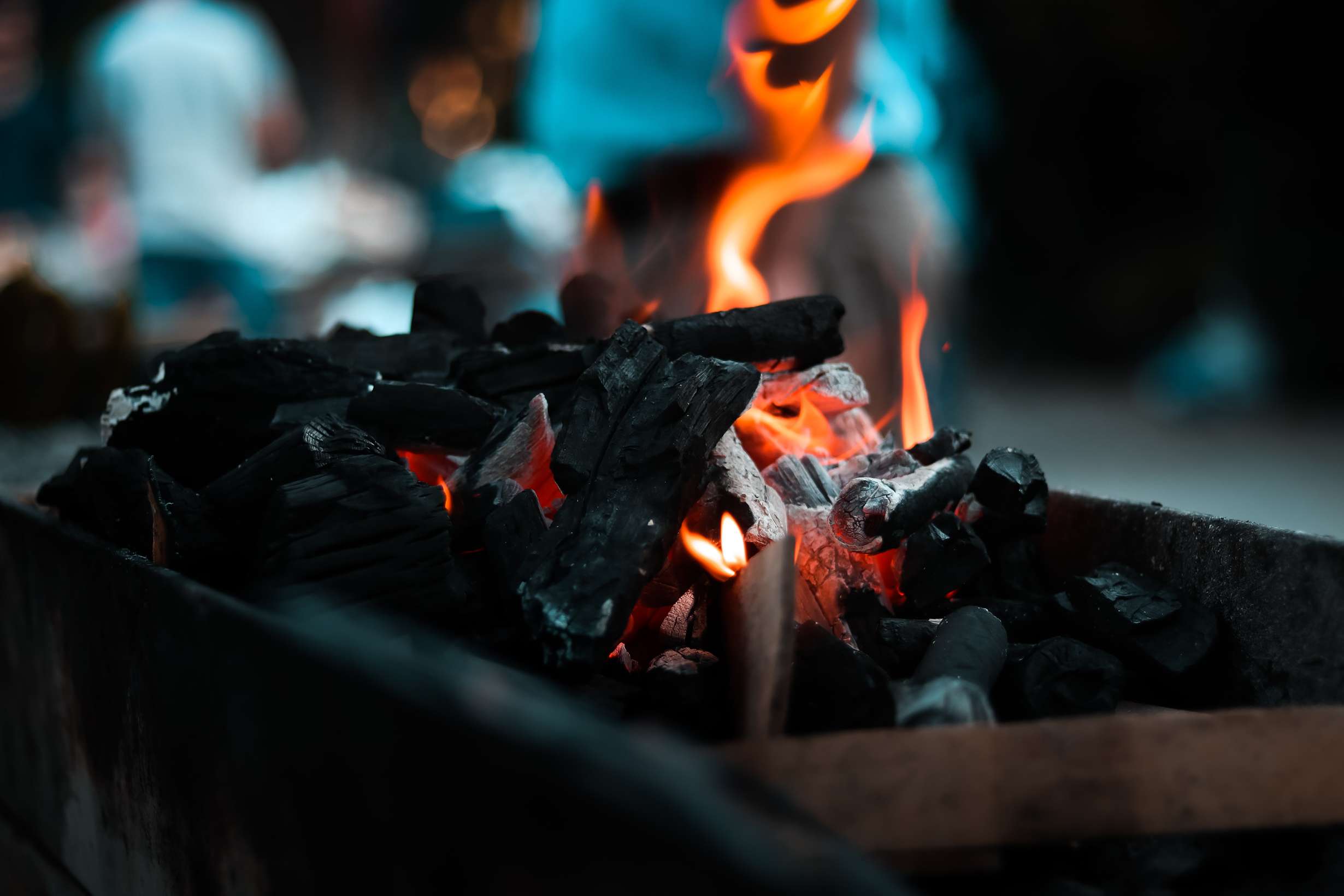
Charcoal is a compound of organic carbon that is produced by the imperfect combustion of animal and plant products. Generally, charcoal is obtained from burning parts of the plants, such as wood, peats, and bones.
The higher the value, the more expensive the price of the charcoal. There are five types of charcoal: activated charcoal, wood charcoal, charcoal barbecue, coconut shell charcoal, and activated bamboo charcoal. In the next section, you will learn why human beings need charcoal in their daily lives.
There are three primary functions of this material:
After getting sufficient insights about charcoal, now let’s consider these five factors to measure charcoal quality.
The first important factor to measure charcoal value is in its carbon content. Charcoal made of hardwood has higher carbon content than the one made of cottonwood and fortune paulownia wood. Furthermore, it has lower density even though they have a similar amount of carbonization temperature.
For example, charcoal from pinewood will have a carbon content of 76% when the carbonization temperature reaches 380℃. While once the temperature reaches 500℃, the carbon content is 85%. This leads to each raw material of plants having a different carbon content of charcoal quality.
Charcoal is a highly absorbent object which will absorb water vapor from the air during the stacking process and improve the moisture content.
However, for a more economical approach, buyers tend to jeopardize the charcoal by choosing a low moisture content one. Commonly, they will order charcoal with less than 3% of moisture content once it is removed from the furnace or carbonization process.
Calorific value refers to the energy released in every kilogram of charcoal under specific circumstances expressed in kilocalories. In fact, the calorific value of charcoal quality relates to the thermal insulation time of carbonization temperature.
You need to know that the carbonization temperature and similar time of heat preservation will produce different calorific values of charcoal from one raw material to another. The higher the carbonization and the longer the preservation time, the higher the carbon content as a result.
For example, if the carbonization temperature of charcoal is below 450℃, the calorific value of wood charcoal is 6500 – 7000 kcal/kg. Meanwhile, if you raise the temperature higher by 600℃, the calorific value of charcoal can be increased by 500 – 1000 kcal/kg.
When you light a fire on charcoal, you will definitely notice the presence of ash, the white or pink substance that remains when the charcoal has burned out. Ash is an important thing that can affect the use and economic value of charcoal.
For example, charcoal made from straw and rice husk does not fall off easily when burned. This means that the resulting temperature is quite low and not suitable for large industries. Meanwhile, most clients want a low ash content so that it can last longer. Thus, you need to ensure to provide the best to all sectors which need charcoal for their sustainability approach.
The last factor affecting charcoal quality is the volatile content. Basically, the content of this substance varies depending on the carbonization temperature that occurs during machine manufacturing.
Since each charcoal has a different usage, you can also create charcoal with low, medium, or high temperatures. In general, when charcoal is vaporized at a high temperature, the volatile content is less than 5%. So, do not be careless but focus on the buyer’s desire to fulfill the charcoal needs.
Charcoal is one of the most vital raw materials in many sector industries. It has great capability to help people in their job completely. However, as a charcoal exporter, you need to do a charcoal quality check in order to provide a high-quality product to your clients.
Remember that this product has a different assignment for all industries. Some need to be easy to light up, others need it to stay as long as they can. Therefore, ensure you finish the quality control before releasing it to the purchaser in order to fulfill your client’s requirement for charcoal usage.
Q : Why do you need to measure charcoal quality?
A : Researchers must do this process to be successful in exporting the product. Not only the process may avoid low quality, but also it can separate the ones which can benefit more.
Q : Do five factors need to be fulfilled in measuring charcoal quality?
A : Yes, the researcher should determine the value of the charcoal by analyzing all five above mentioned factors.
Q : Can anyone check the quality of the coal?
A : No, only researchers who are used to checking the quality can finish the process. Furthermore, people in general do not have the authority in exploring coal since the coals are well-kept in the laboratory.
Q : What is the function of high-quality charcoal?
A : High level of charcoal quality can give a more significant performance in several sectors. For example, charcoal for restaurants should be easy to burn and can stay longer compared to the low-quality ones.